 English
 简体中文
简体中文



Blood Collection Tube

-
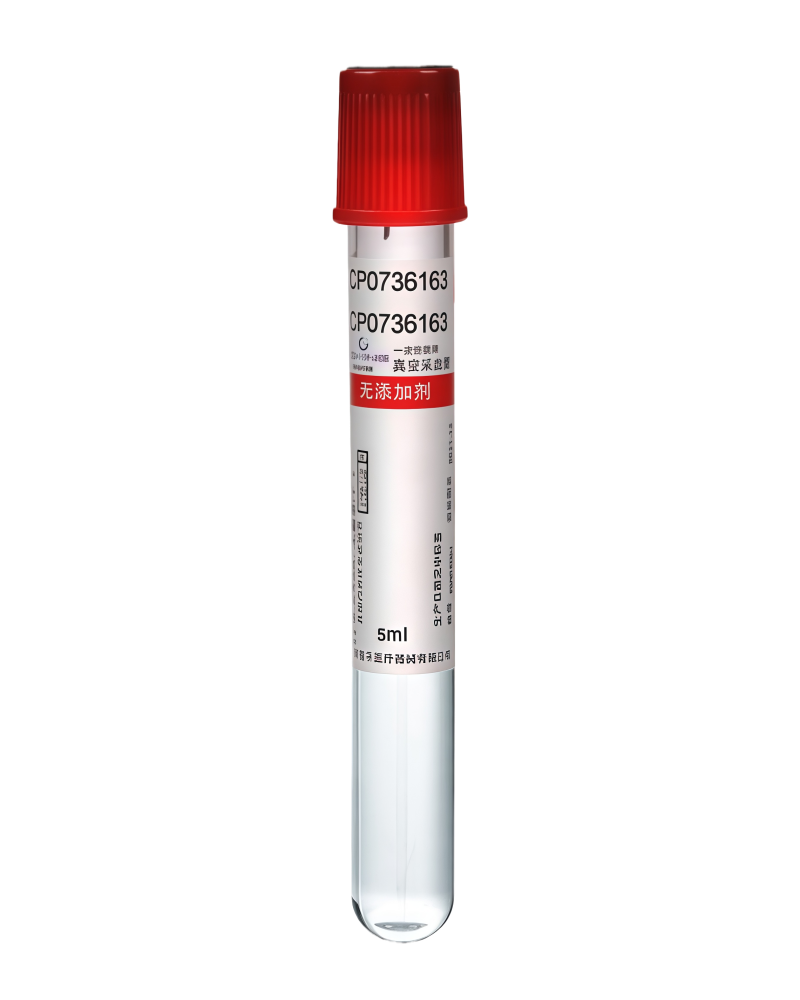 Plain Tube CP-Z
-
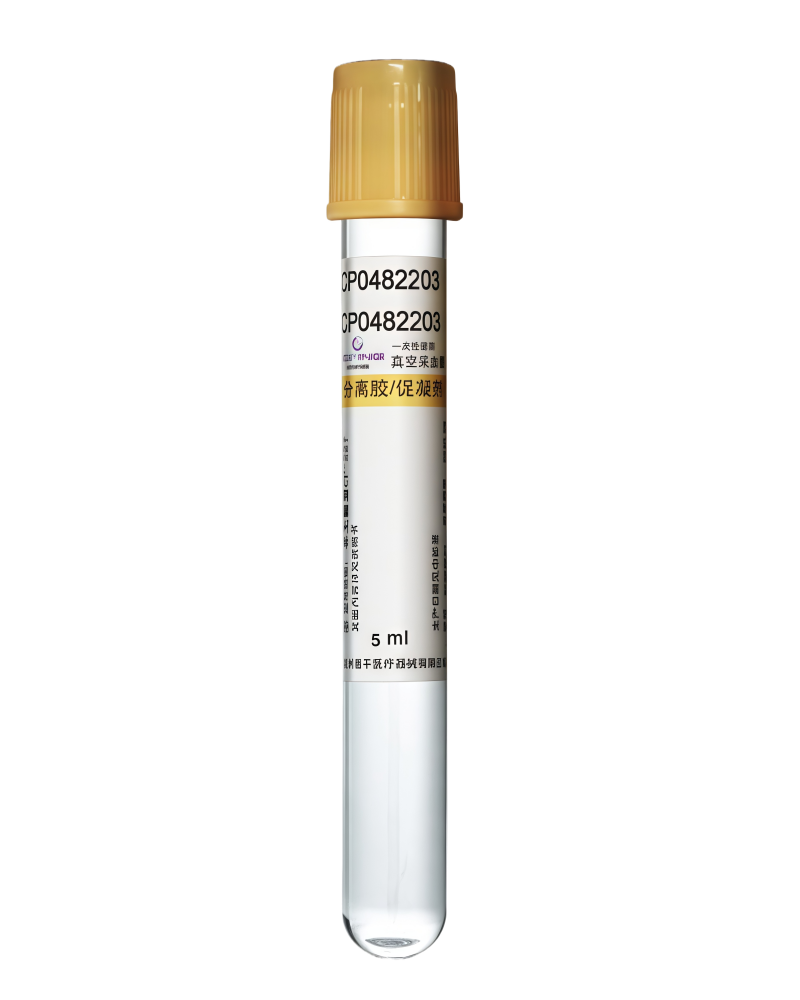 Gel & Clot Activator Tube CP-SST
 -
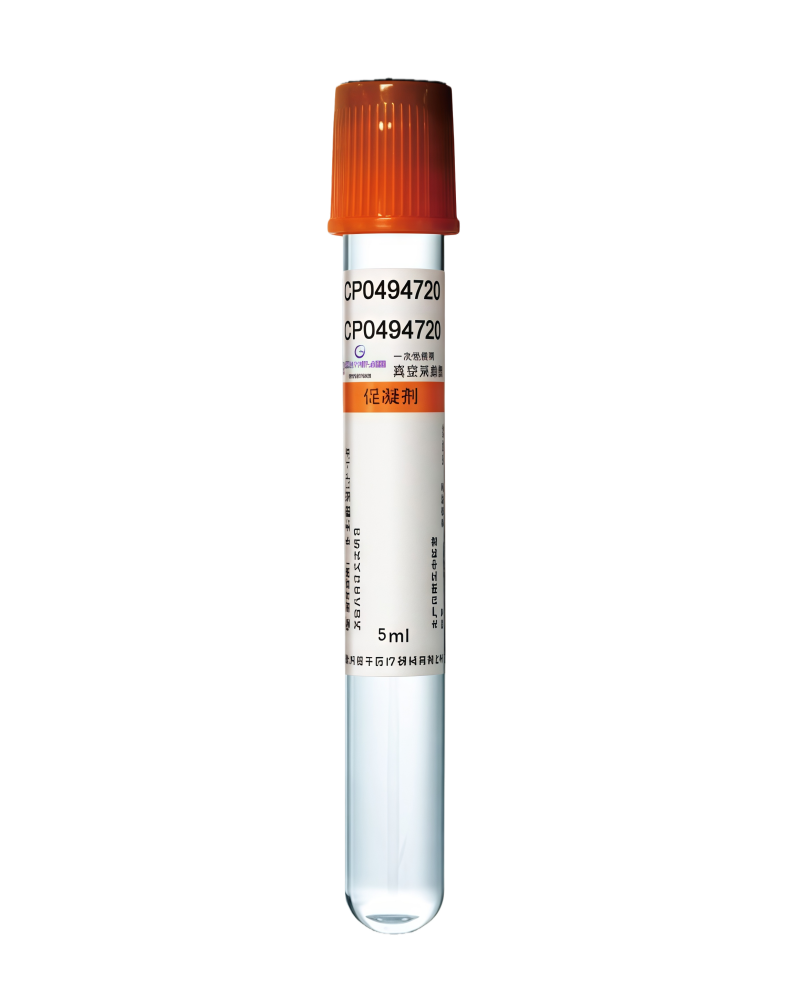 Clot Activator Tube CP-CN
 -
.png) EDTA K2/K3 Tube CP-K2E(K3E)
EDTA K2/K3 Tube CP-K2E(K3E) -
 Sodium Citrate 9:1 Tube CP-9NC
 -
 Sodium Citrate 4:1 Tube CP-4NC
 -
 Sodium Citrate 4:1 Tube CP-4NC
 -
CP-FE(FH).png) Sodium Fluoride+(EDTA/Heparin) Tube CP-FE(FH)
Sodium Fluoride+(EDTA/Heparin) Tube CP-FE(FH) -
CP-NH(LH).png) Sodium Heparin Tube/Lithium Heparin Tube)CP-NH(LH)
Sodium Heparin Tube/Lithium Heparin Tube)CP-NH(LH) -
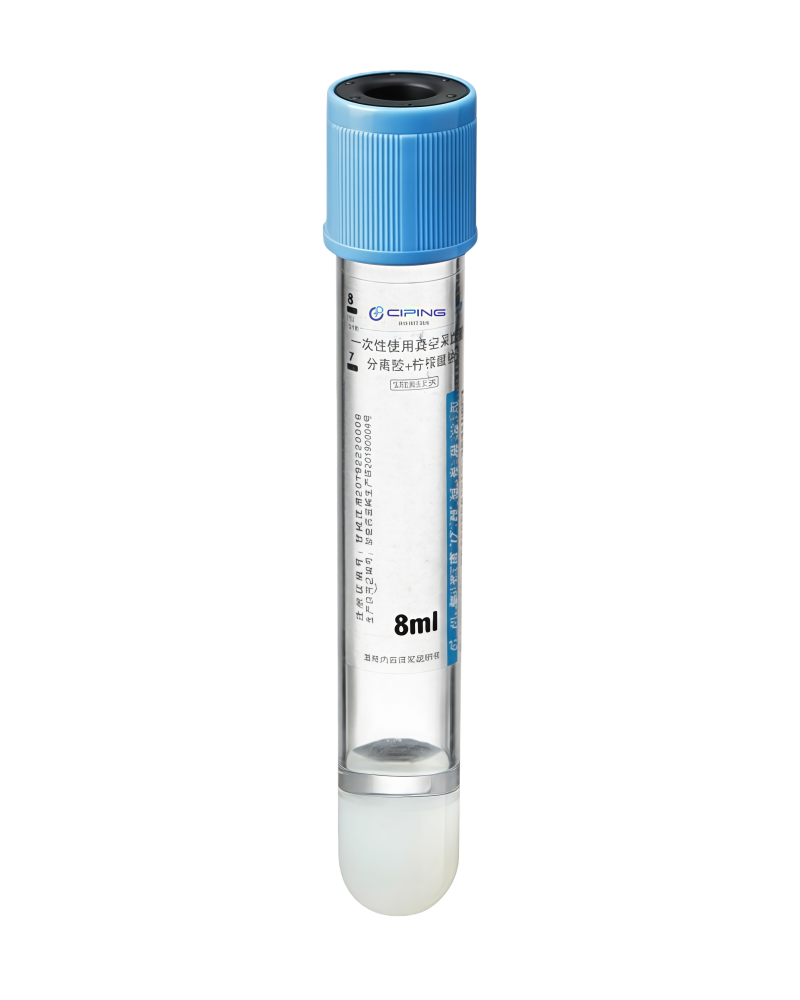 PRP(Platelet Rich Plasma)
 -
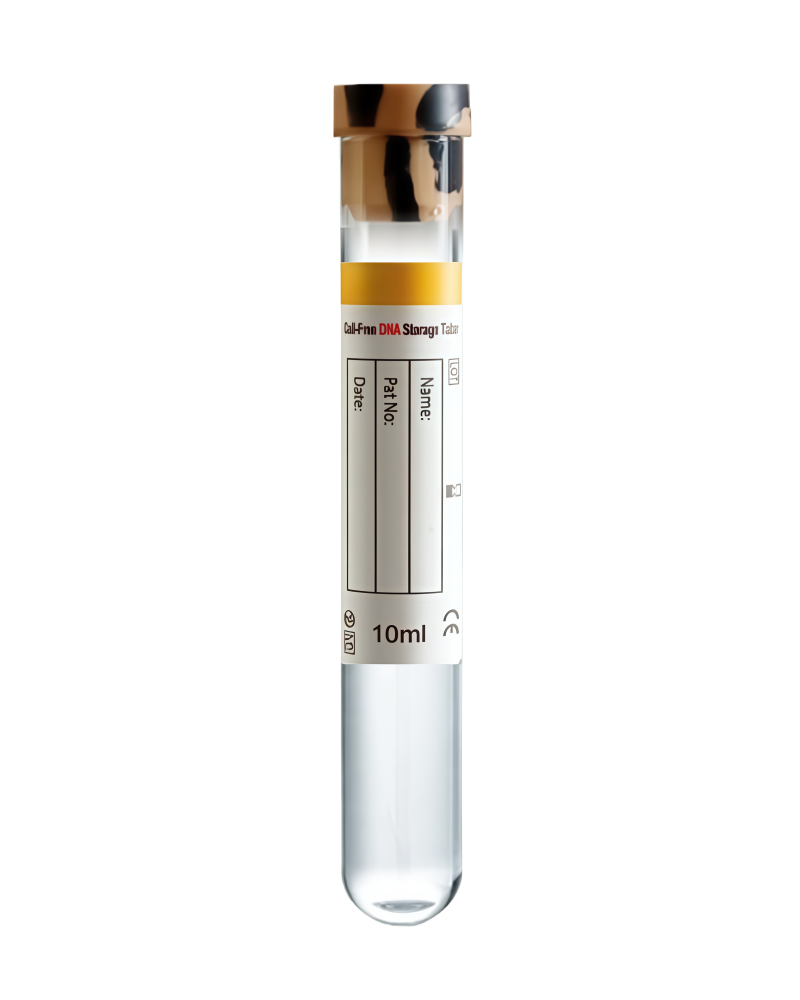 Cell-Free DNA Storage Tube
 -
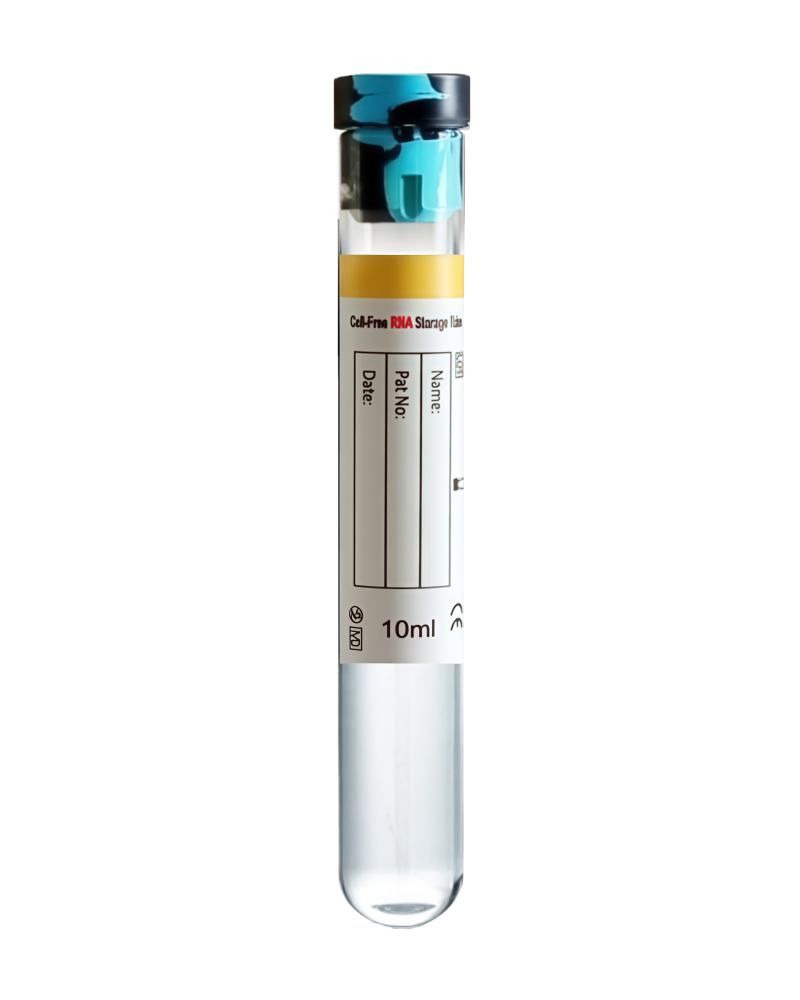 Cell-Free RNA Storage Tube
 -
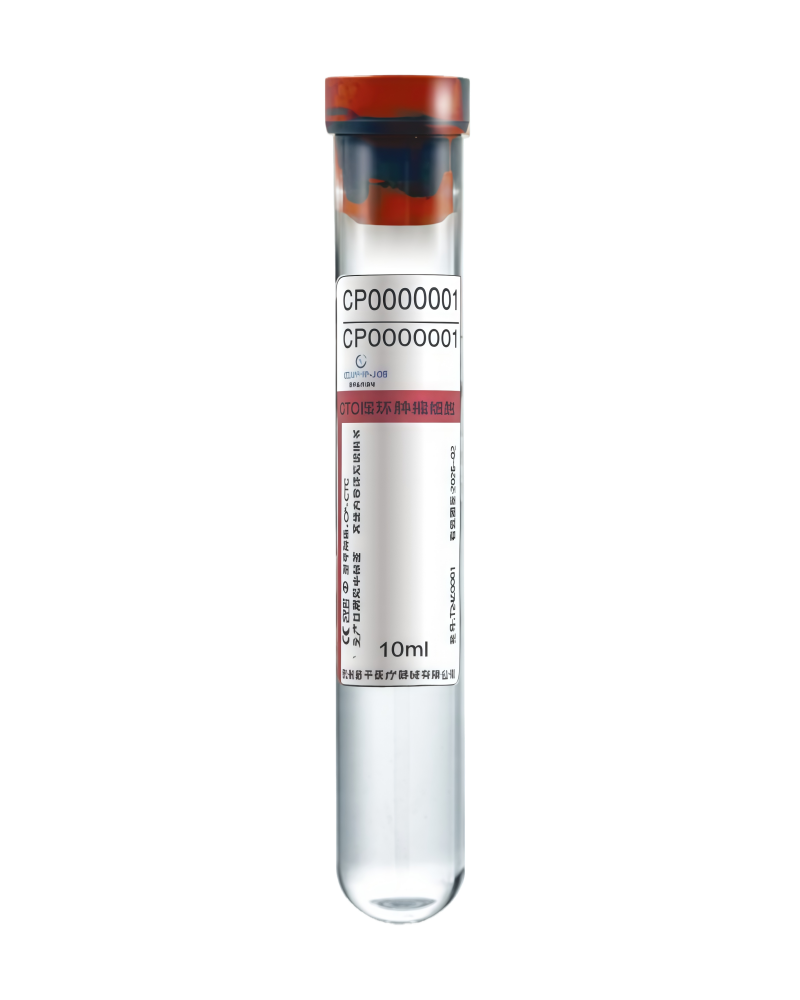 CTC Circulating Tumor Cell Detectionvacuum Blood Collection Tube
-
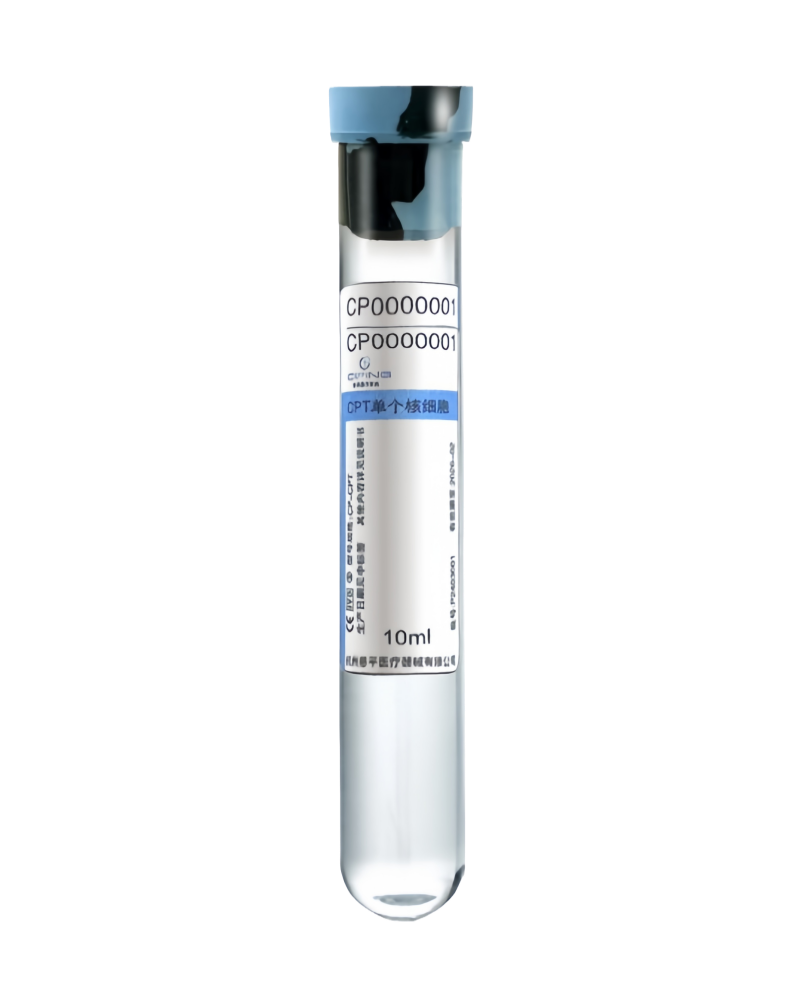 CPT Mononuclear Cell Preparation Tube
 -
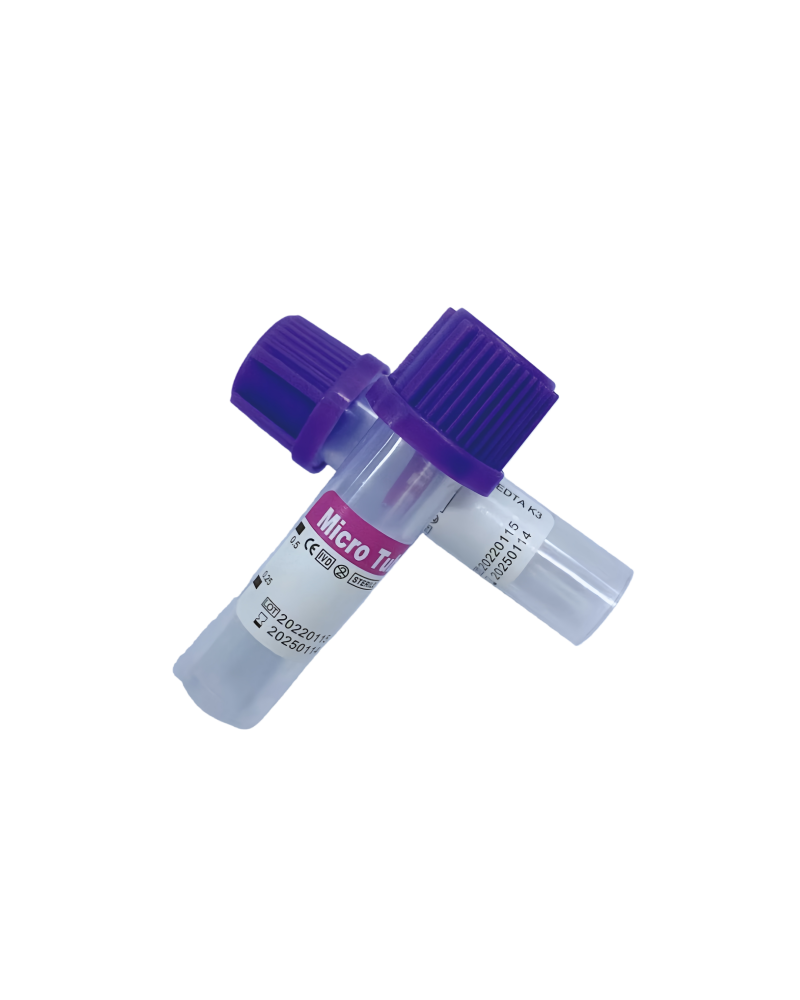 Micro Blood Collection Tube
-
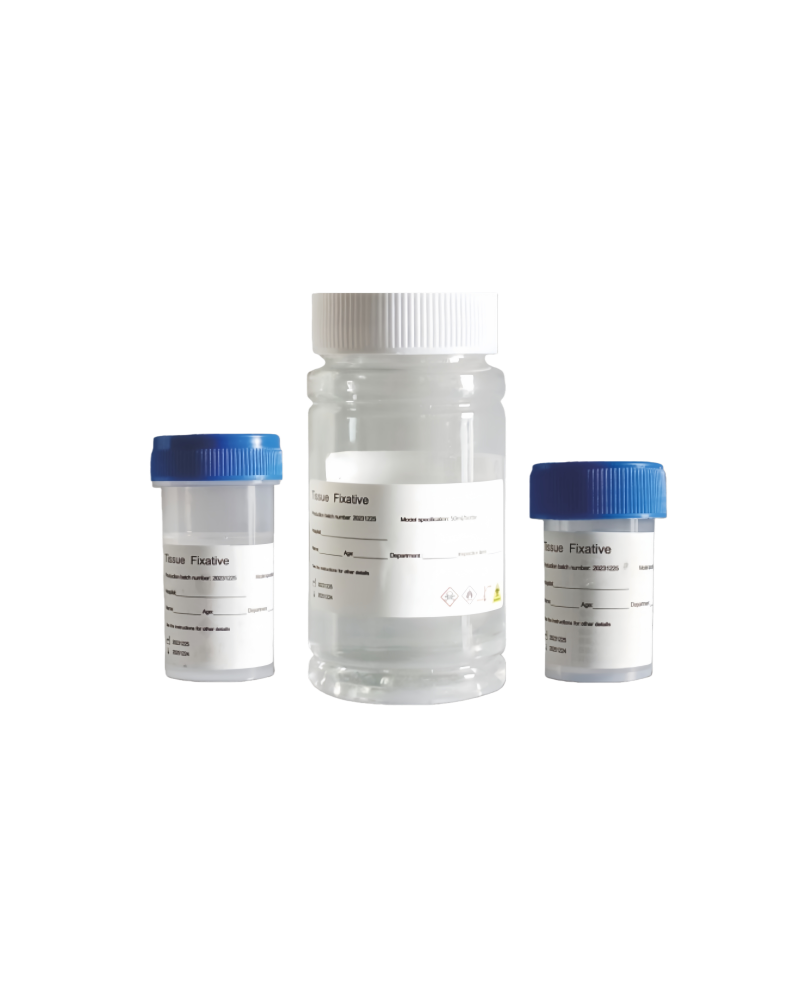 Tissue Fixative
 -
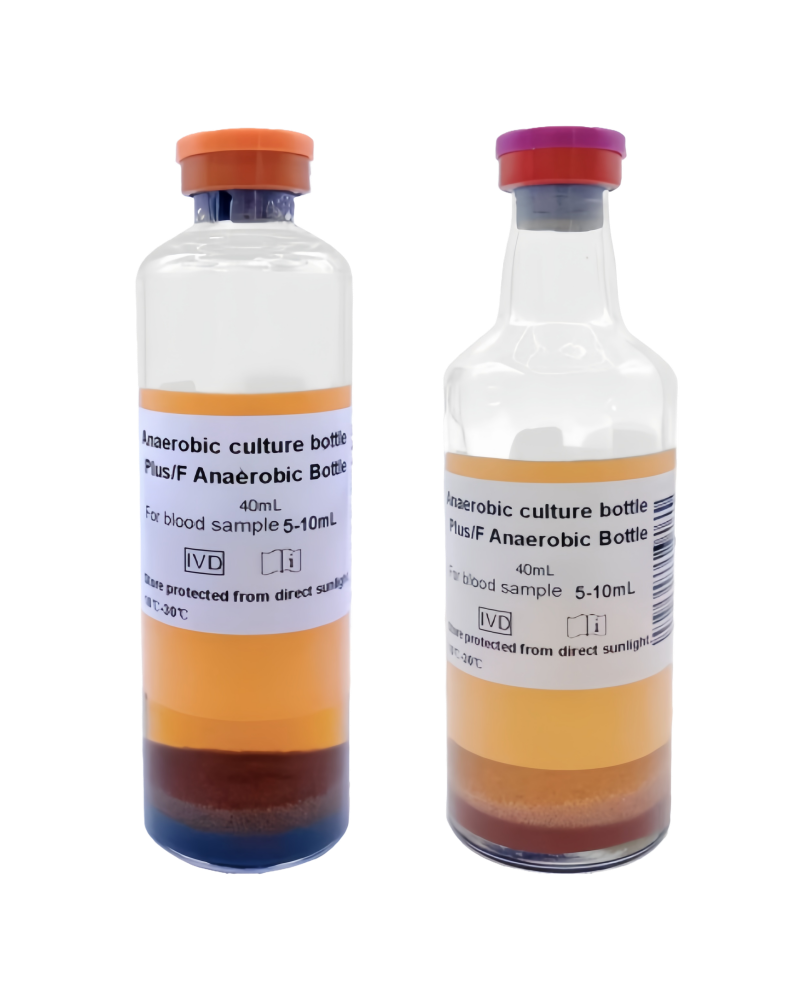 Anaerobic Culture Bottle
 -
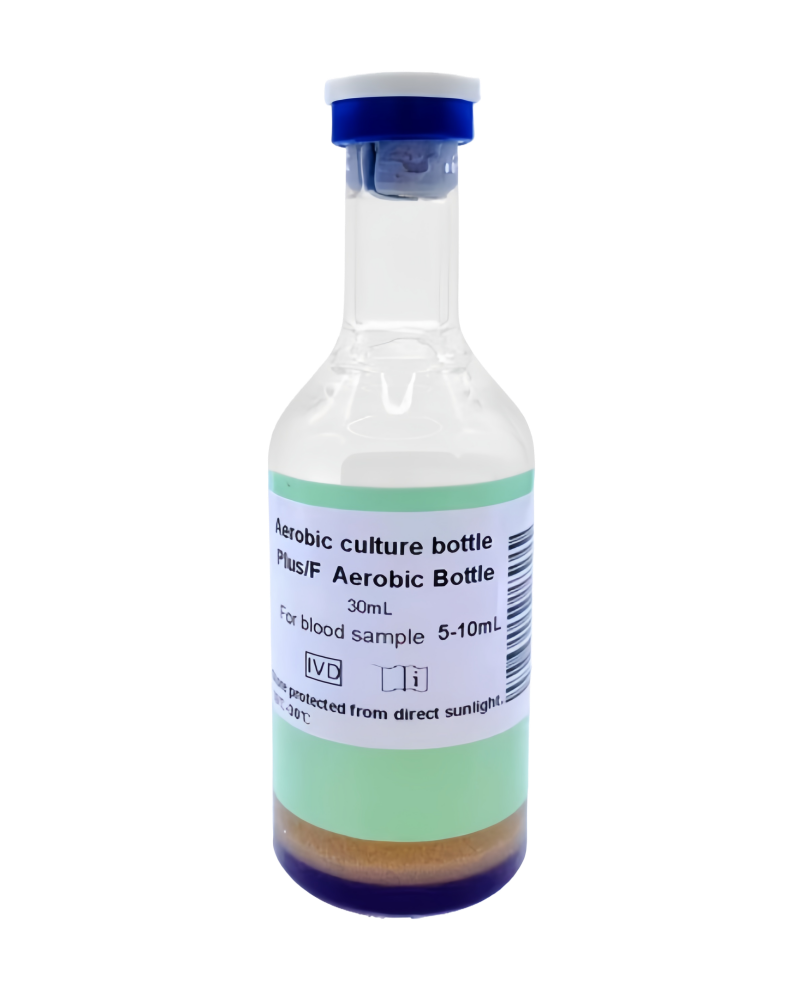 Aeronic Culture Bottle
 -
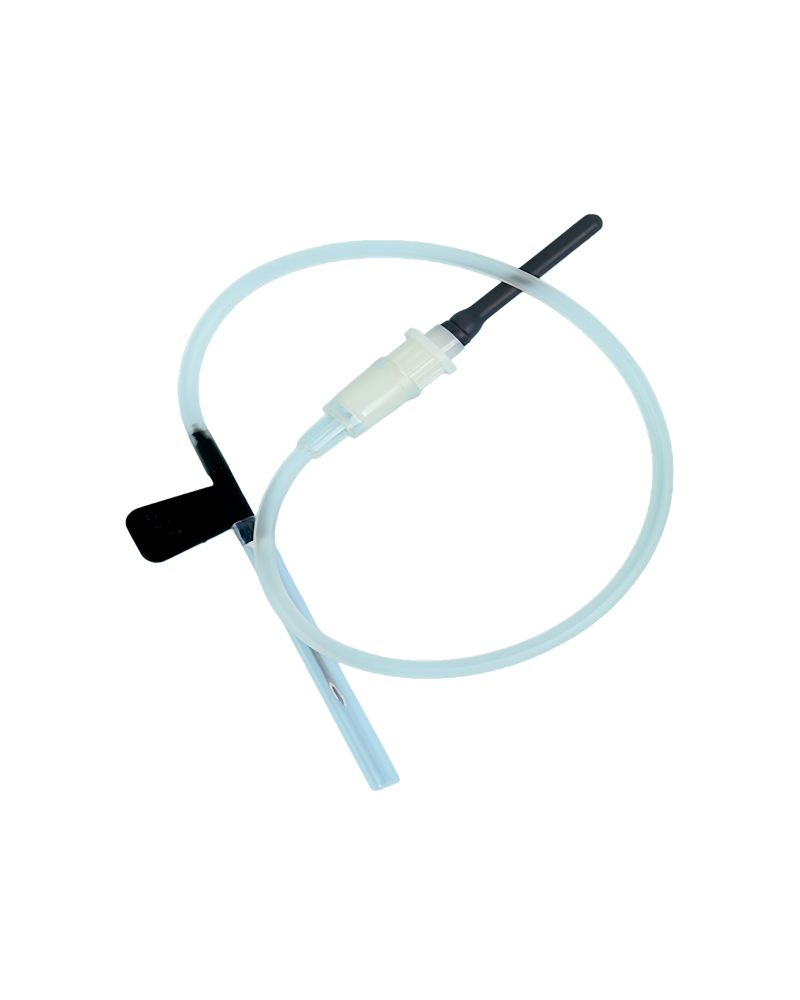 Disposable Sterile Sampling Swabs
 -
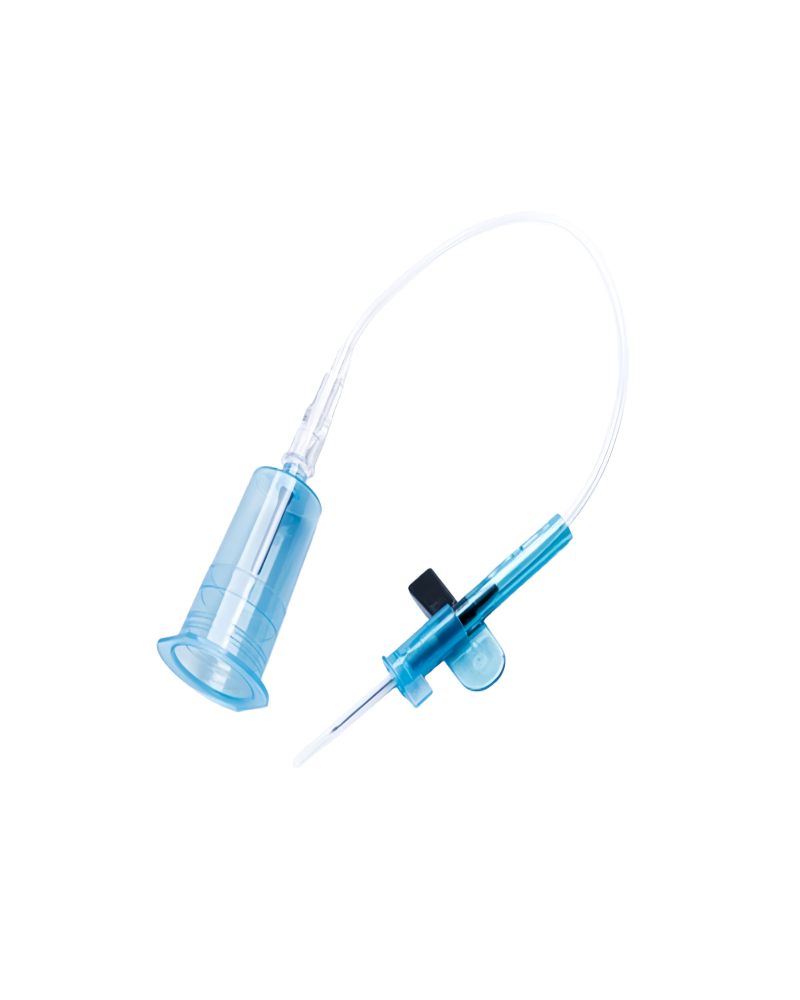 Disposable Sterile Sampling Swabs
 -
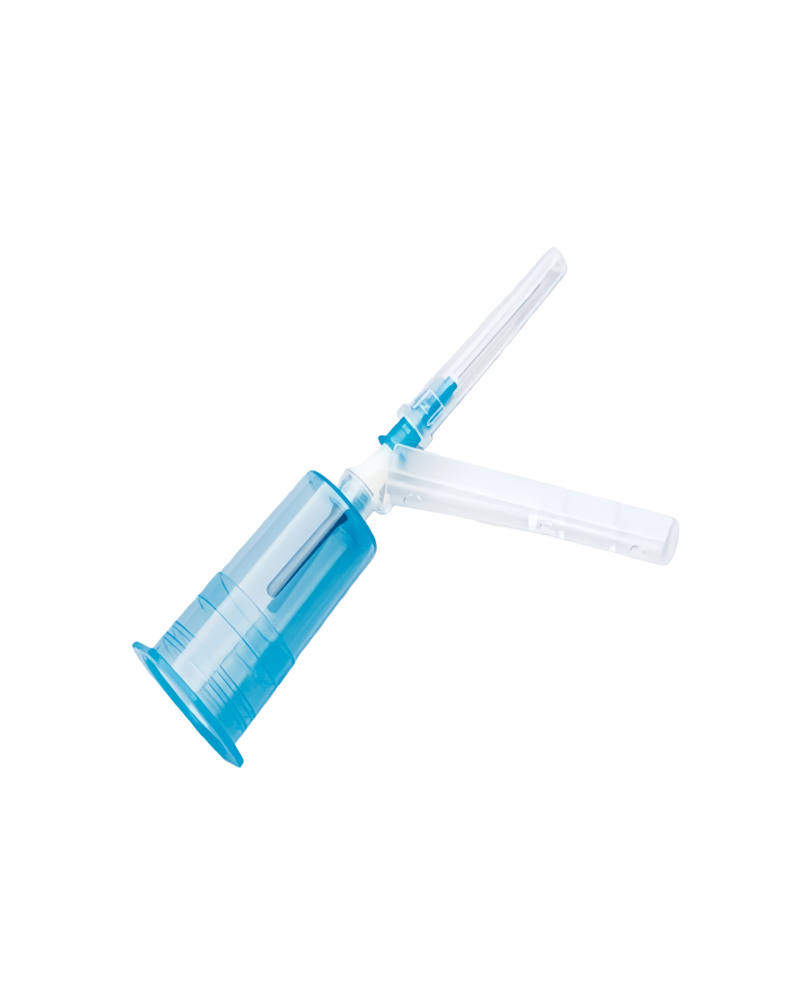 Disposable Sterile Sampling Swabs
 -
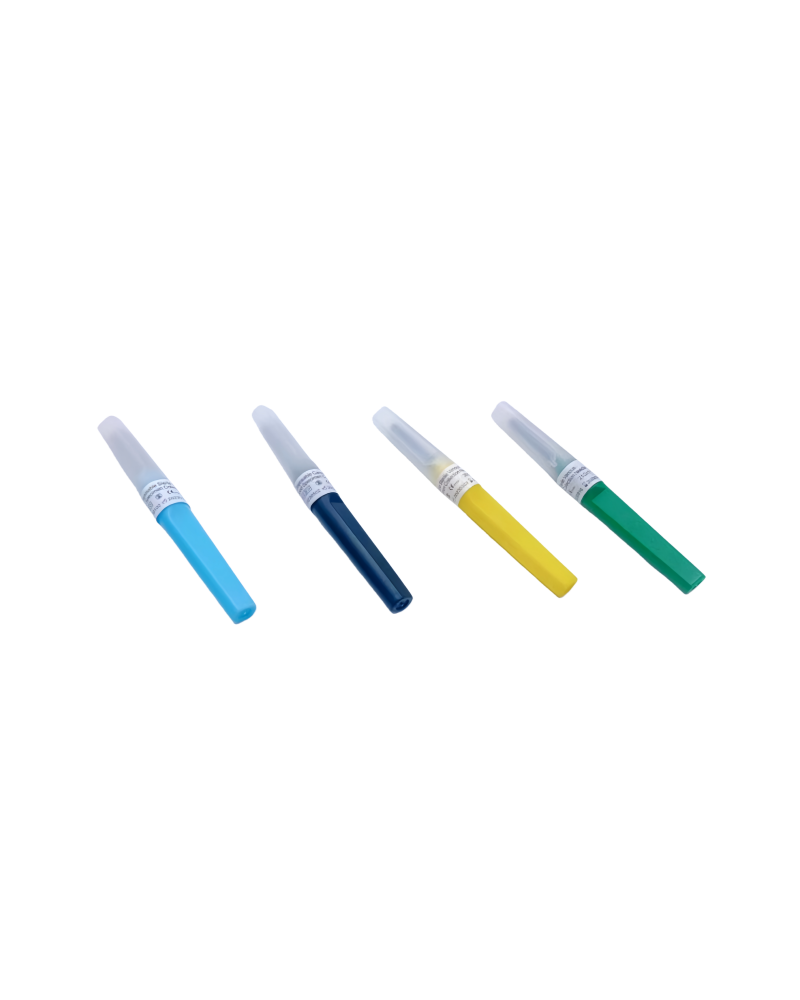 Disposable Sterile Sampling Swabs
 -
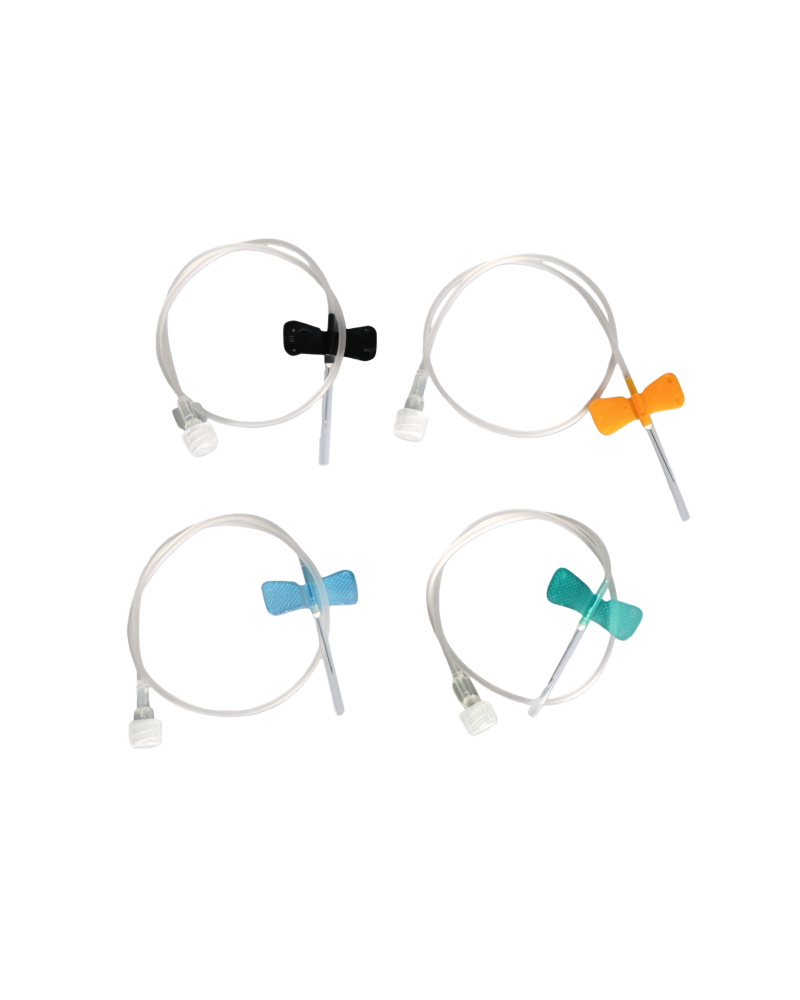 Disposable Sterile Sampling Swabs
 -
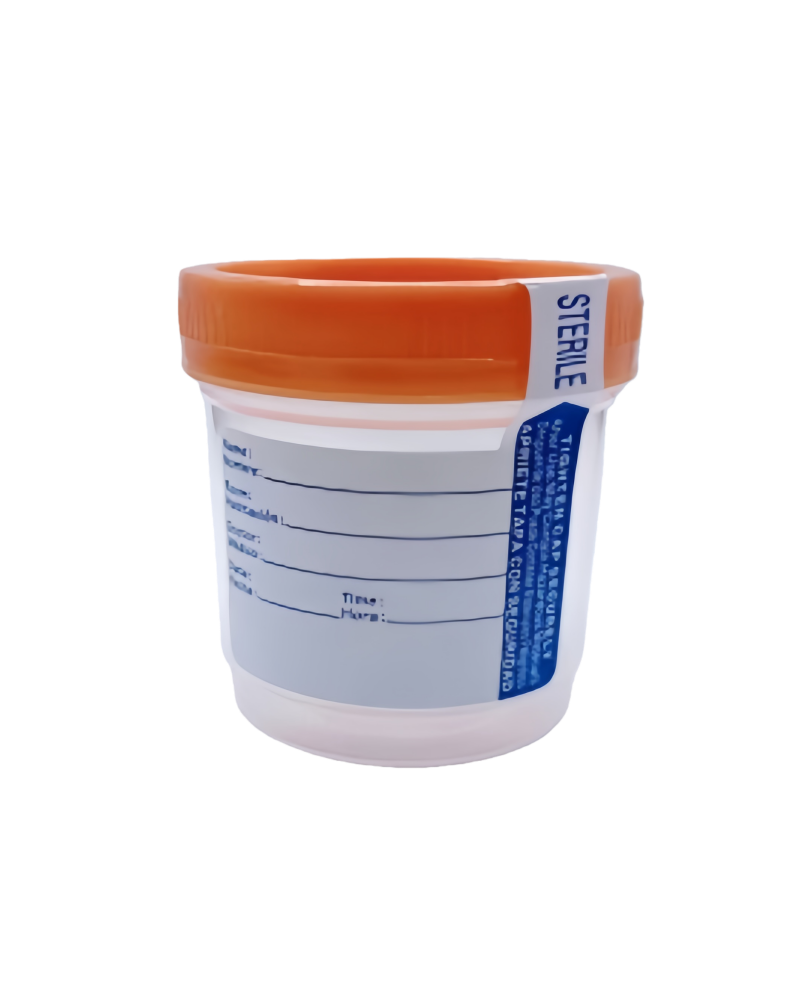 One-time Urine cup NB003
 -
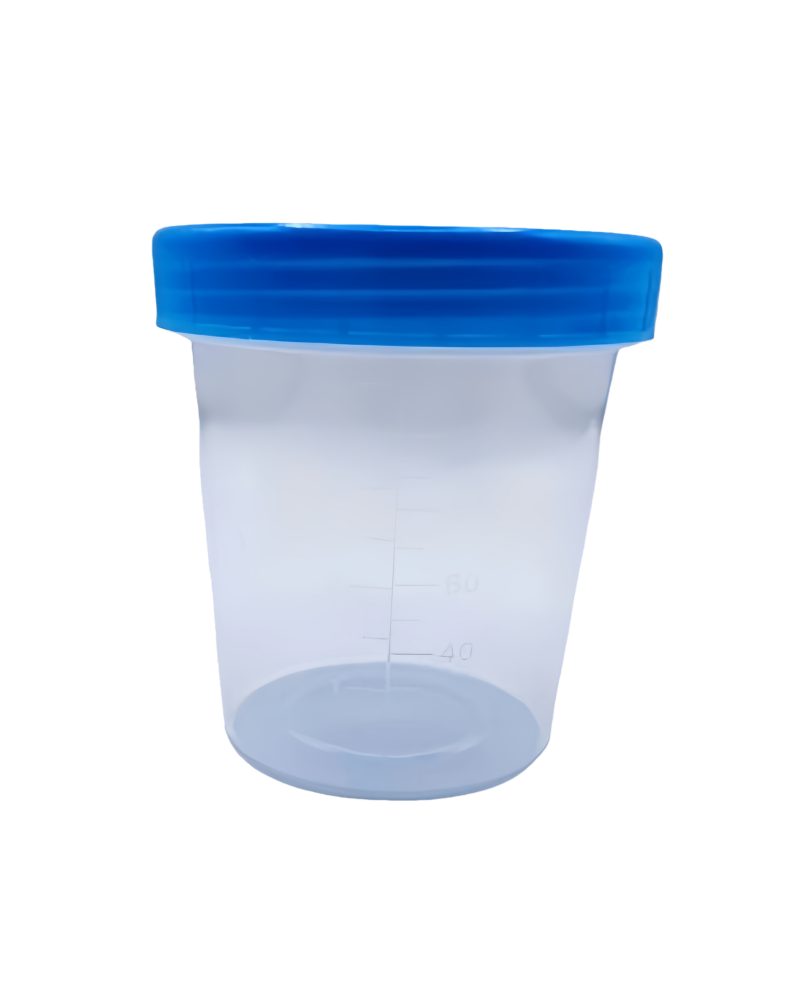 One-time Urine cup NB004
 -
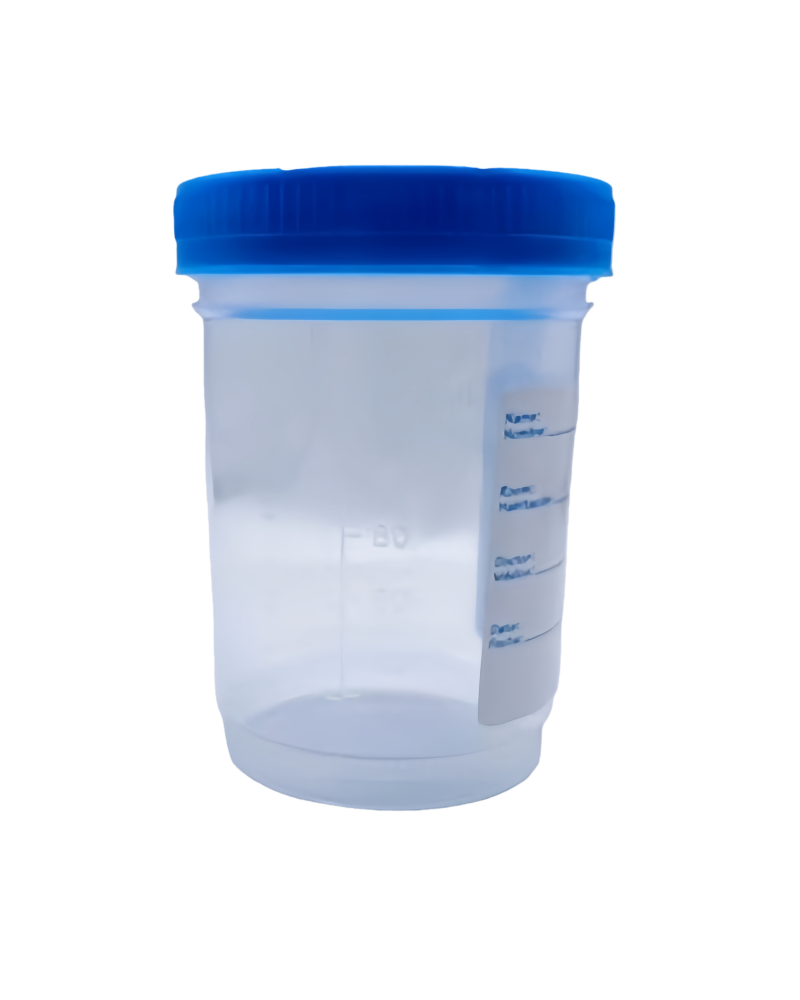 One-time Urine cup NB005
 -
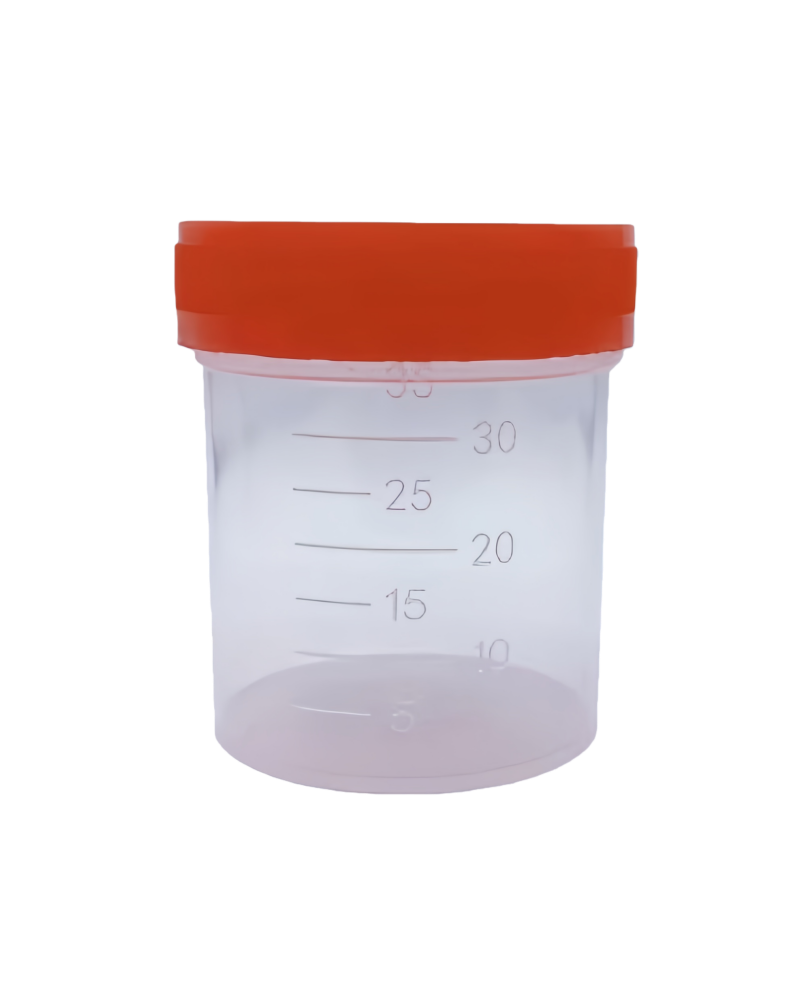 One-time Urine cup NB003
 -
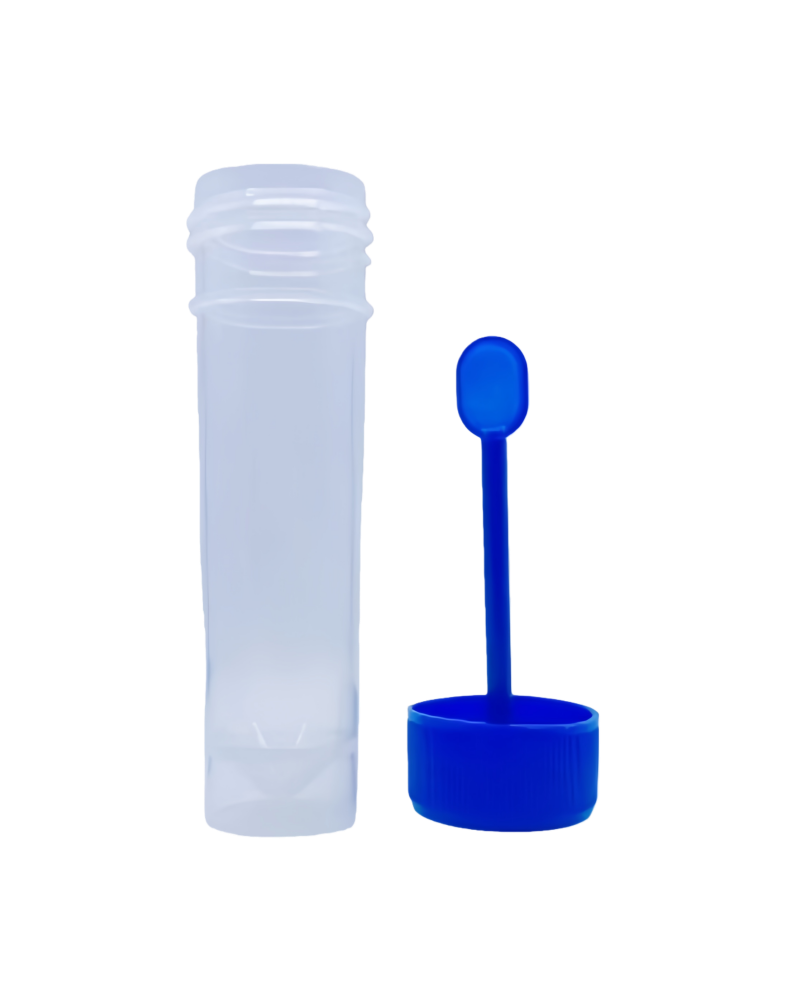 Stool Container DBB001
 -
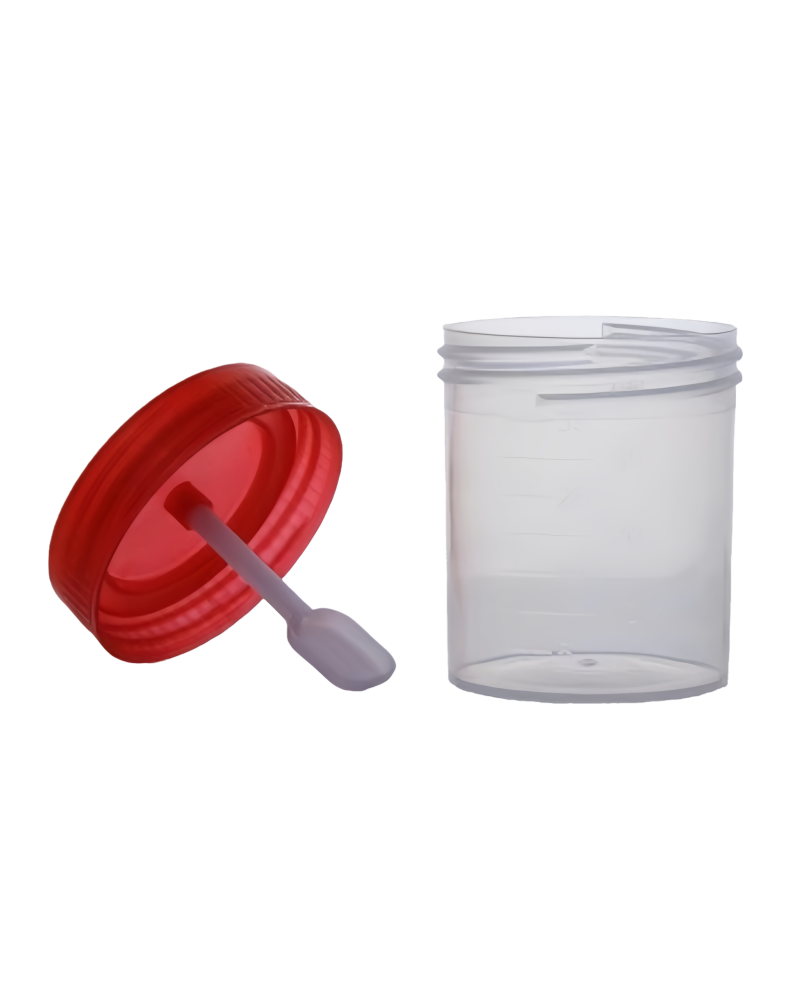 Stool Container DBB002
 -
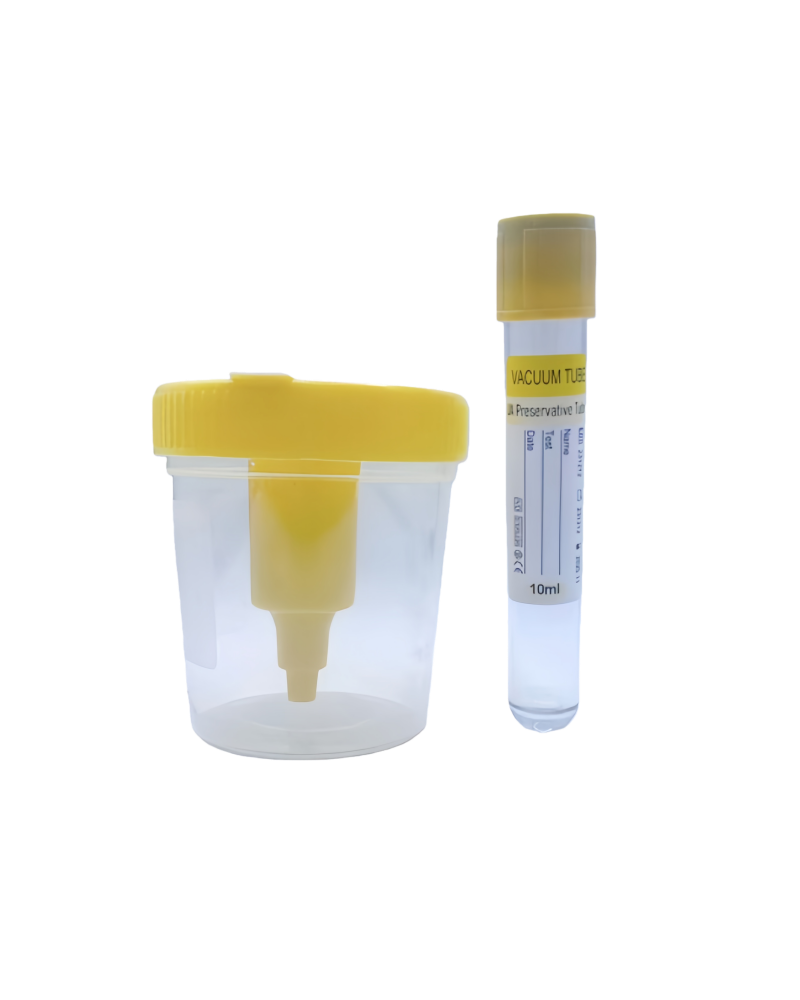 Vacuum Urine Collector CP-ZKN01
 -
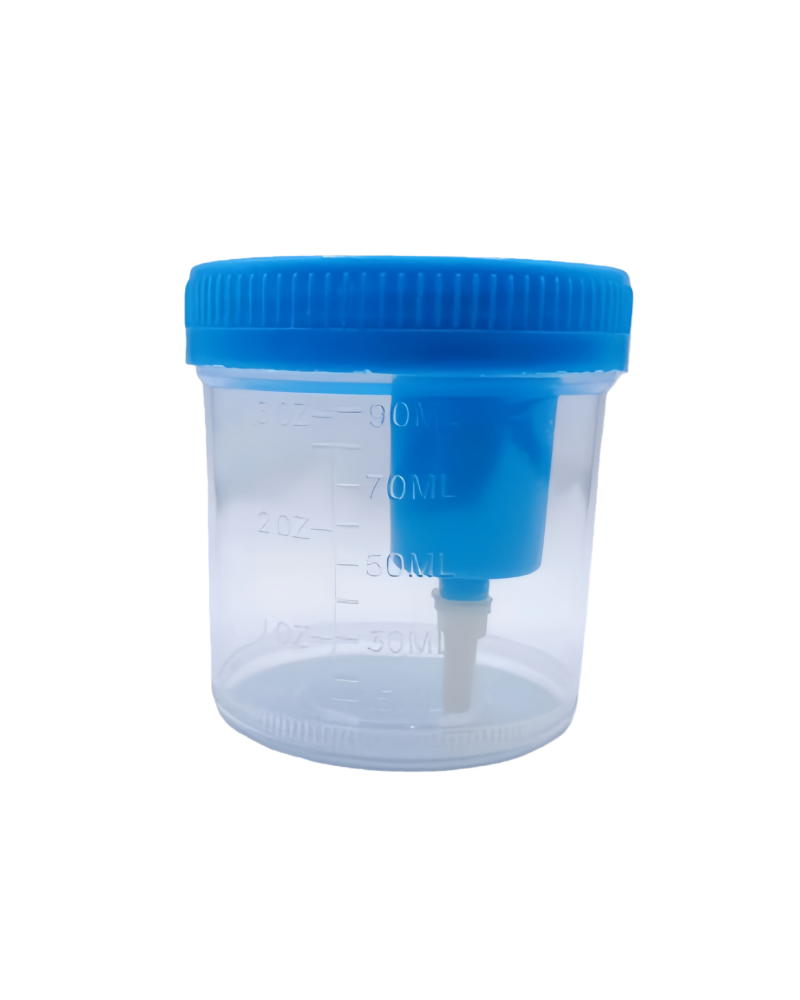 Vacuum Urine Collector CP-ZKN01
 -
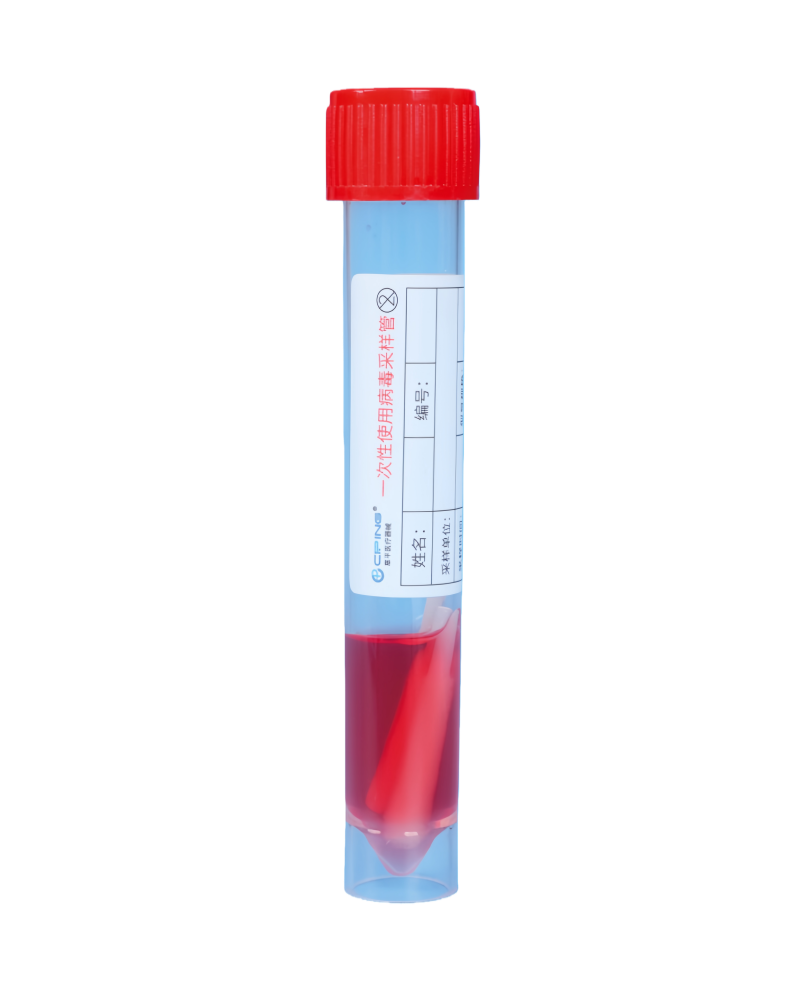 Single/Mixed Disposable Virus Sampling Tube
 -
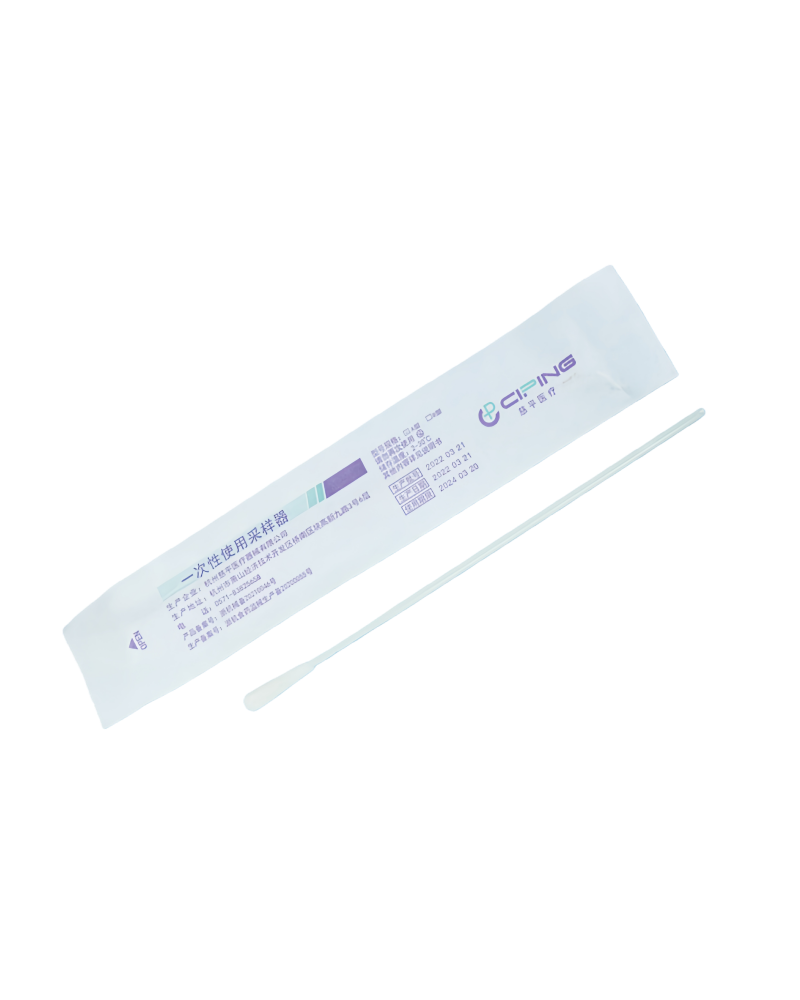 Disposable Sterile Sampling Swabs
-
Plain Tube CP-Z
-
Gel & Clot Activator Tube CP-SST
-
Clot Activator Tube CP-CN
-
EDTA K2/K3 Tube CP-K2E(K3E)
-
Sodium Citrate 9:1 Tube CP-9NC
-
Sodium Citrate 4:1 Tube CP-4NC
-
Sodium Citrate 4:1 Tube CP-4NC
-
Sodium Fluoride+(EDTA/Heparin) Tube CP-FE(FH)
-
Sodium Heparin Tube/Lithium Heparin Tube)CP-NH(LH)
-
PRP(Platelet Rich Plasma)
-
Cell-Free DNA Storage Tube
-
Cell-Free RNA Storage Tube
-
CTC Circulating Tumor Cell Detectionvacuum Blood Collection Tube
-
CPT Mononuclear Cell Preparation Tube
-
Micro Blood Collection Tube

Contact Us
Foreign Trade Manager:Miss Liu
Phone:18758055662
Email:lucyliu@hzciping.com
Landline:0571-83825658
Fax:0571-83825657
Address:6F, Building 3, Xuanxuan Science Park, Xiaoshan Economic and Technological Development Zone, Hangzhou China
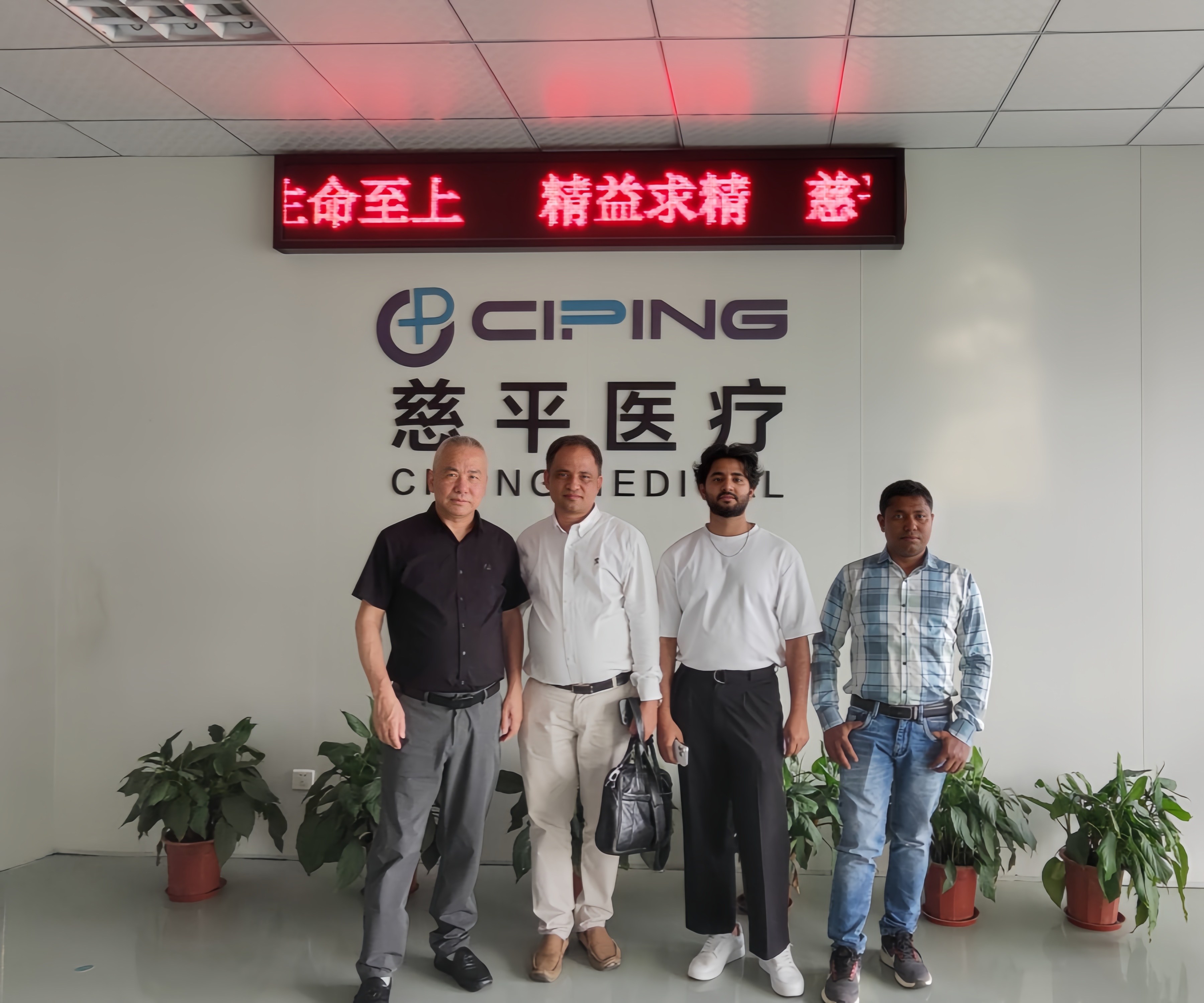
Hangzhou Ciping Medical Devices Co., Ltd., founded in 2018, is a professional enterprise specializing in the production of medical testing products, integrating research and development, production, and sales. Located on the... beautiful banks of the Qiantang River in Hangzhou, adjacent to the Asian Games Village, the company boasts a production area spanning 5,000 square meters, with over 800 square meters dedicated to a 100,000-grade dust-free standard workshop that meets GMP requirements .....
2025-2028 © Hangzhou Ciping Medical Devices Co., Ltd. All Rights Resrved.